Is IPTV Legal? Understanding the Legal Landscape in the UK & USA
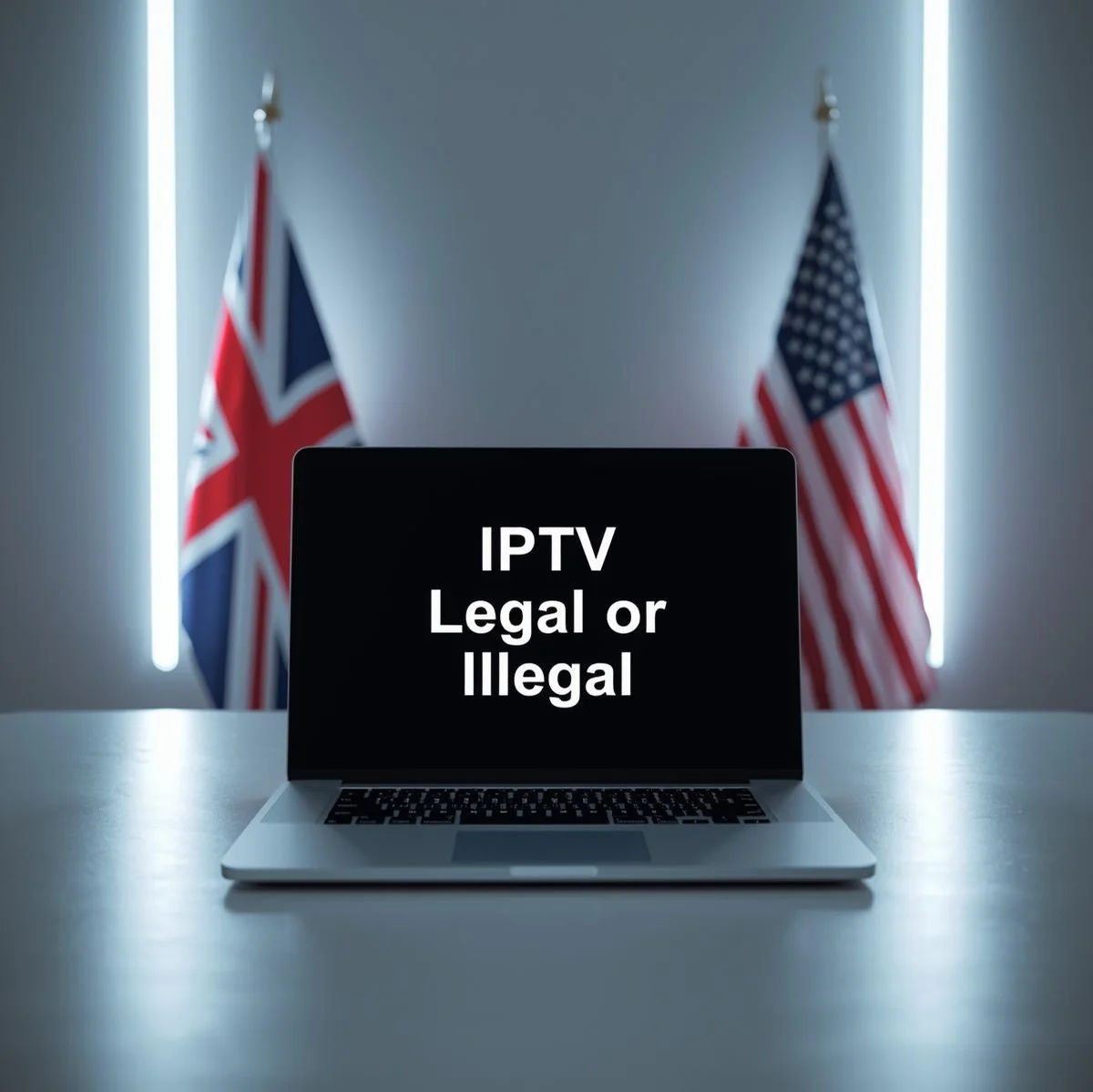
Many people wonder: Is IPTV legal? The answer is not always simple. The technology called Internet Protocol Television (IPTV) is lawful in itself, but whether a given service is fully legal depends on its licences, content rights, and how it operates. In this article you will learn how IPTV is treated in the UK and in the USA, how to identify a legal vs illegal service, and what risks are involved.

What is IPTV and Why Its Legality Matters
What is IPTV?
IPTV means delivering TV channels or on-demand video over an internet connection rather than by traditional satellite or cable. Because it uses the internet, many devices — such as set-top boxes, smart TVs, streaming sticks — can access it.
Why does legality matter?
When content is streamed without proper permission, this infringes copyright laws. Users and providers of unlicensed IPTV services may face legal penalties, and using such services can create security or reliability risks.

The Legal Landscape in the UK
Is IPTV legal in the UK?
Yes — the use of IPTV technology is legal in the UK. The key issue is whether the service provider holds the necessary distribution rights for the content being offered.
Laws and enforcement
The UK’s ﹙entity﹚Digital Economy Act 2017﹙law﹚, among other laws, provides a legal framework for dealing with illicit streaming devices (ISDs). The UK government has acknowledged that existing laws are sufficient to prosecute providers of unauthorised streaming boxes. GOV.UK+1
According to the trade body for intellectual property rights enforcement, using devices modified to stream copyrighted TV without permission qualifies as illicit.
Risks for users and providers
Illegal IPTV operations may be subject to raids, prosecutions or shutdowns. Even using an unlicensed service may expose the user to civil action or warning notices.
How to recognise legal vs illegal IPTV in the UK
Legal IPTV providers will hold licences for the channels and content they stream.
Services that offer “all premium channels for very low price” without clear licensing are probable red flags.
Payment via traceable methods, transparency about rights and clear customer support are good indicators of legitimacy.
The Legal Landscape in the USA
Is IPTV legal in the US?
Yes — if the IPTV service has obtained the necessary rights from content owners. The technology is legal; the distribution must respect copyright law.
Relevant laws
Important laws include the ﹙entity﹁Protecting Lawful Streaming Act﹁ (PLSA) which targets unlawful streaming services and those who distribute them. Fire Stick Tricks
What happens with illegal services?
Providers offering unlicensed content may face serious penalties including fines or imprisonment. Even if a user is less likely to be prosecuted, the service is still operating unlawfully. Global View & Other Regions
In other parts of the world federal or national laws also apply. For example, Canada uses a framework of copyright warnings to users of illegal services. Fire Stick Tricks+1 Likewise, Australia, Germany, India and others make legality depend on licensing rather than the technology itself.
Key Questions for Anyone Considering an IPTV Service
How can you know if an IPTV service is legal?
Check whether the provider declares streaming rights or licences.
Be cautious if the service offers large numbers of premium channels for very low cost and uses untraceable payment methods (e.g., cryptocurrency).
Look for apps distributed via official app stores (e.g., Google Play, Amazon) rather than side-loaded from unknown sources.
What are the risks of using illegal IPTV?
Legal consequences: fines, criminal liability, or service shutdown.
Security issues: malware, data theft, poor quality streaming, no support.
Is subscribing to IPTV enough to stay legal?
Subscription alone does not guarantee legality. The service must have distribution rights for the particular channels and content you watch.
What about devices and set-top boxes?
Devices themselves are typically legal. The illegality arises from how they are used—if they are configured to access unlicensed streams, that usage becomes unlawful.
Practical Steps for Consumers
Choose providers with clear branding, reputation and licensed content.
Read terms of service, licence disclosures and check company information.
Use payment methods that are traceable and supported.
Avoid offers that seem too good to be true (e.g., “all premium content for $5/month”).
Consider using recognised legal streaming services if you want certainty.
Stay informed about your local regulations — what is legal in one country may be illegal in another.
FAQ
Q1: Is IPTV legal for Fire Stick devices?
Yes — using a Fire Stick or similar device to stream IPTV is legal provided the service provider has the correct licences. The device itself is not the issue.
Q2: Are free legal IPTV providers available in the USA or UK?
Yes — there are legal free-to-air IPTV services or ad-supported streaming platforms. The key is they are authorised and licensed.
Q3: Is it illegal just to watch unlicensed IPTV or only to provide it?
In many jurisdictions the primary legal action is against providers of unlicensed content. However, viewers may still face consequences in some cases and generally risk using a service that lacks legal certainty.
Q4: Can I use an IPTV service from another country legally?
That depends on content licensing, regional rights and your local laws. Even if you use a service from abroad, if the service isn’t legally allowed to distribute in your region it may be illegal.
Q5: Are “IPTV boxes” legal in the UK?
Yes, boxes themselves are legal. Problems arise when they are pre-loaded or modified to access unlicensed streaming services without rights.
Summary
In summary, the technology of is IPTV legal in both the UK and the USA. What matters is whether the provider has secured the appropriate rights to distribute the content offered. Subscribing to a service that lacks proper licensing may expose you to legal risk, as well as security and performance issues. Before you sign up, check the provider’s licence, transparency, and reputation.